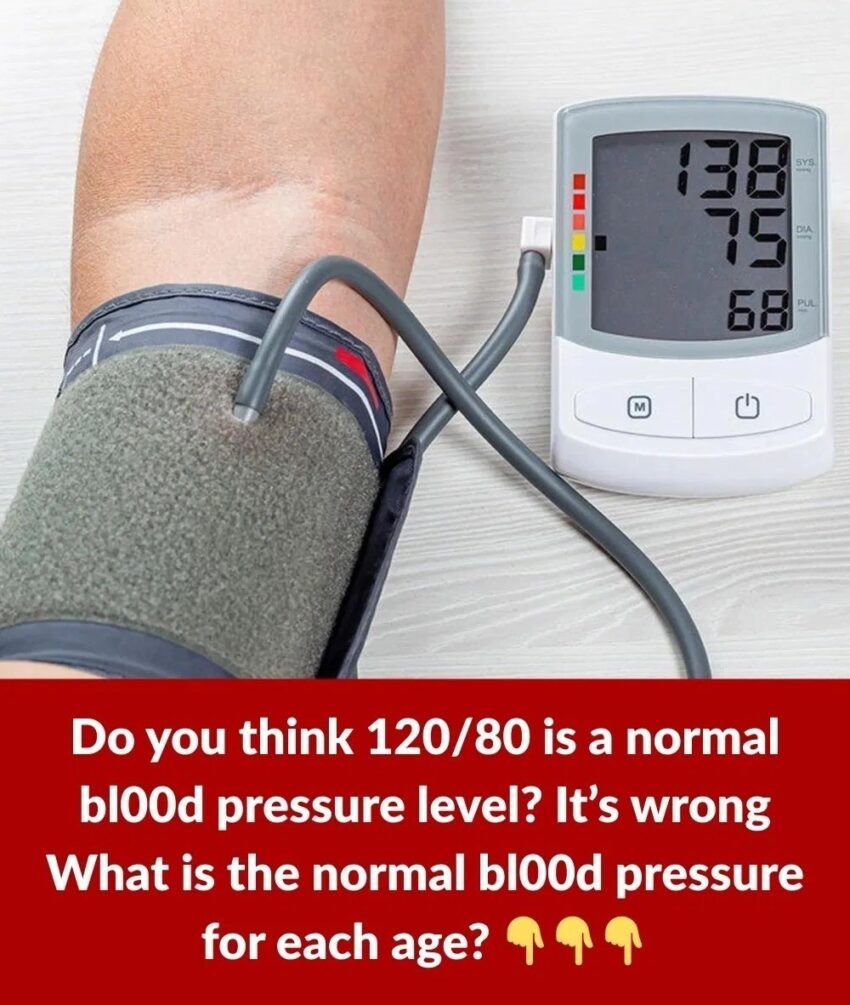
Blood pressure doesn’t have a completely different “normal” for every age—the healthy target is mostly the same after adulthood—but ranges and what’s considered “acceptable” can shift slightly with age and overall health.
🩺 What Is “Normal” Blood Pressure?
According to guidelines from the American Heart Association:
- Normal: less than 120/80 mmHg
- Elevated: 120–129 / less than 80
- High (Hypertension Stage 1): 130–139 / 80–89
- High (Stage 2): 140+/90+
📊 General Blood Pressure Ranges by Age
👶 Children (1–12 years)
- Varies by height, age, and gender
- Rough average: 90–110 / 55–75
🧑 Teenagers (13–17 years)
- Typical: 95–120 / 60–80
🧑 Adults (18–39 years)
- Ideal: <120/80
- Average range: 110–120 / 70–80
🧔 Adults (40–59 years)
- Ideal still: <120/80
- Common range: 115–130 / 70–85
👴 Older Adults (60+ years)
- Target often: <130/80 (if healthy)
- Slightly higher readings may be tolerated depending on health
- Common range: 120–140 / 70–90
⚠️ Important Notes
- Higher is not “normal” just because of age—it’s just more common
- Consistently high readings increase risk of:
- Heart disease
- Stroke
- Kidney problems
🧠 What Affects Blood Pressure?
- Diet (especially salt intake)
- Weight
- Stress
- Physical activity
- Medications
- Conditions like Diabetes or Chronic Kidney Disease
🏠 When to Check
- Morning (before eating or meds)
- Evening (for comparison)
- Take 2–3 readings and average them
🚨 When to Seek Help
- Readings consistently above 130/80
- Sudden spike above 180/120 (emergency)
If you want, tell me your age and recent readings—I can help you interpret whether your numbers are healthy or concerning.