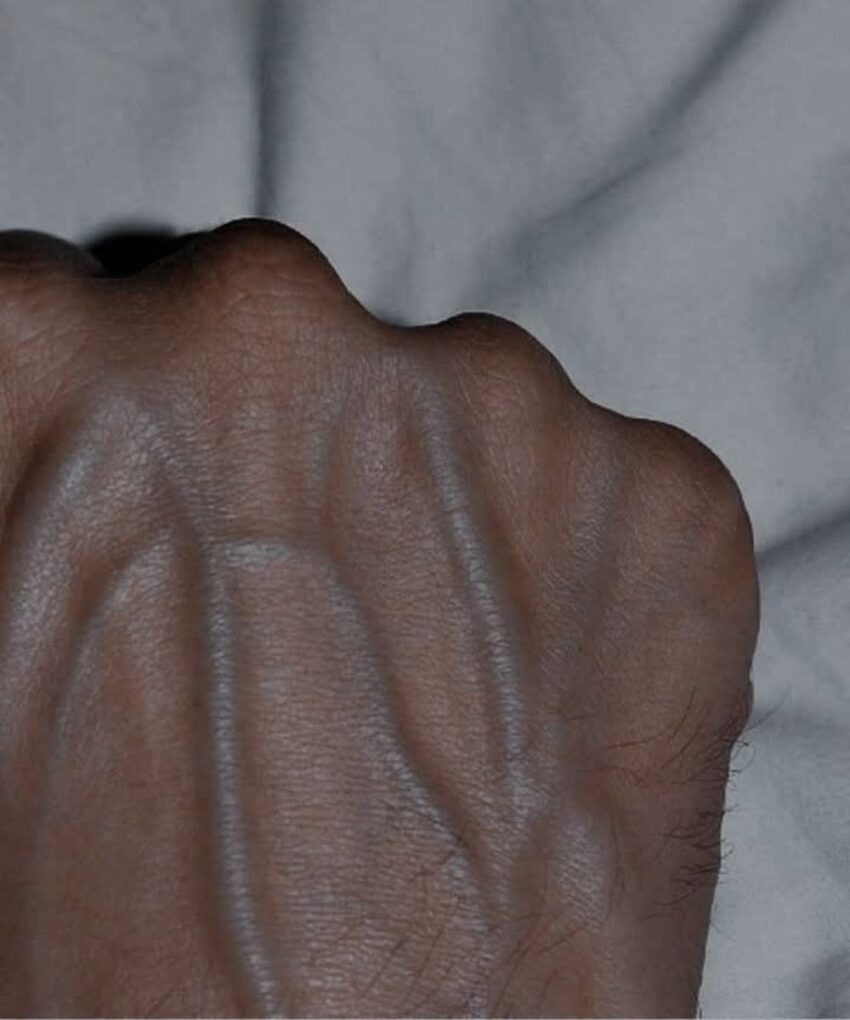
Visible veins can mean a few different things—most are completely normal, but context matters. That viral claim (“if your veins are visible, it means ___”) is usually oversimplified.
Here’s what it actually means 👇
🧬 1. Low Body Fat (Very Common)
When you have less fat under the skin, veins sit closer to the surface and become more visible.
- Common in athletes and lean individuals
- Especially noticeable in arms, hands, and legs
💪 2. Muscle Development
As muscles grow, they push veins closer to the skin → more definition (often called “vascularity”).
🌡️ 3. Heat or Exercise
Warm temperatures or physical activity cause veins to expand (vasodilation), making them more visible temporarily.
🧓 4. Aging
Skin becomes thinner with age, so veins show more easily.
🧑🦳 5. Genetics & Skin Tone
Some people naturally have:
- Thinner skin
- Lighter skin tone
→ making veins easier to see
🧂 6. Hydration & Sodium Balance
- Dehydration can make veins stand out more
- Fluid balance changes can affect how prominent they look
⚠️ When Visible Veins Might Signal a Problem
🔵 Bulging, Twisted Veins
Could be Varicose veins
- Often in legs
- May cause aching or heaviness
🔴 Sudden Change + Pain/Swelling
Could indicate circulation issues like Deep vein thrombosis
👉 Needs medical attention
🟣 Spider Veins
Small visible veins near the surface—usually harmless but cosmetic
🧠 Common Myth (Not True)
- ❌ Visible veins do NOT automatically mean you’re unhealthy
- ❌ They don’t indicate a specific disease by themselves
🧾 Bottom Line
- In most cases, visible veins = normal physiology (low fat, muscle, heat, genetics)
- Only concerning if there’s pain, swelling, or sudden changes
If you want, you can describe what your veins look like (color, location, any symptoms), and I’ll help you figure out whether it’s normal or worth checking.