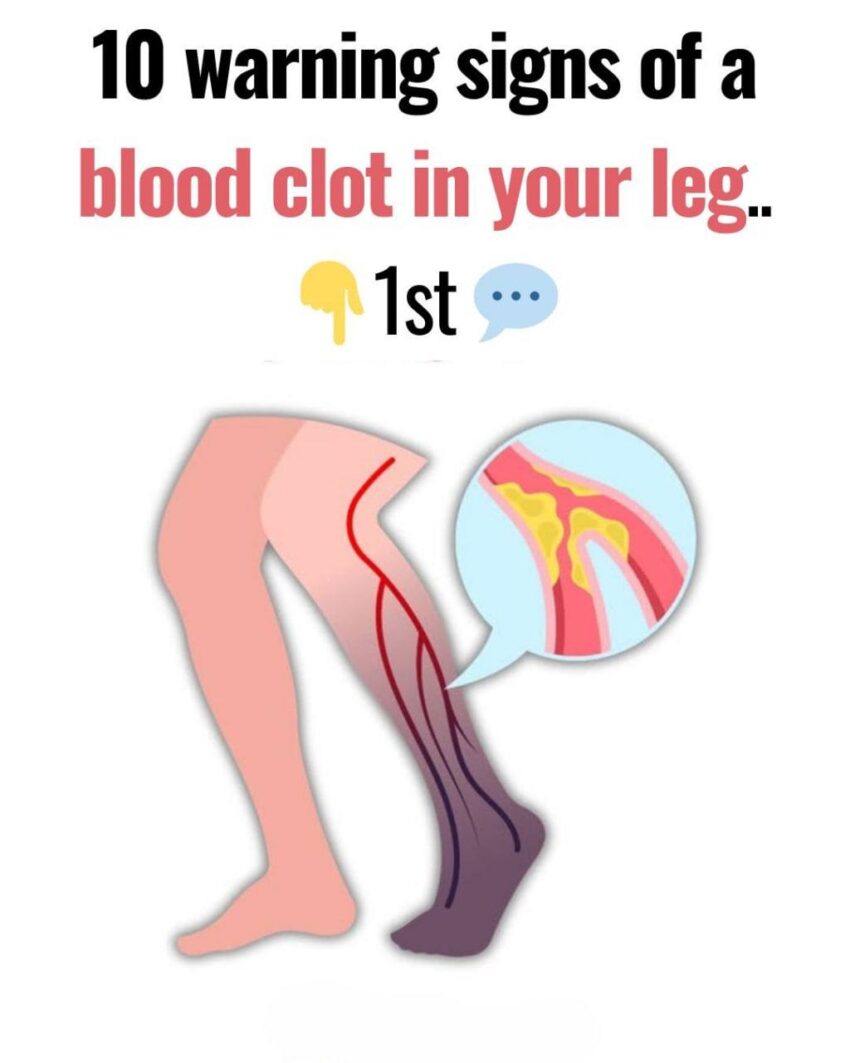
That message is pointing to a real condition, but it’s written to sound more dramatic than it needs to be. Deep Vein Thrombosis (DVT) is serious, but it usually does give warning signs—you just have to know what to look for.
Common early signs of DVT
These typically affect one leg (often the calf or thigh):
- Swelling in one leg (especially sudden or unexplained)
- Pain or tenderness, often described as a cramp or soreness
- Warmth over the affected area
- Red or discolored skin
- Leg fatigue or heaviness
- Enlarged or visible veins
- Pain that worsens when standing or walking
- Skin that feels tight or stretched
- Mild fever (less common)
- Unexplained leg discomfort after long sitting (travel, desk work)
Why it matters
A clot in the leg can break loose and travel to the lungs, causing a Pulmonary Embolism, which is life-threatening. That’s why early detection matters.
When to act immediately
Seek urgent medical care if you notice:
- Sudden leg swelling + pain
- Chest pain, shortness of breath, or coughing blood (possible pulmonary embolism)
Who’s at higher risk
- Long periods of sitting (flights, bed rest)
- Recent surgery or injury
- Pregnancy
- Smoking
- Certain medications (like some birth control pills)
- Personal or family history of clots
Bottom line
The post is right that DVT can be dangerous—but it’s not usually “silent.” Paying attention to these signs and acting early makes a big difference.
If you want, I can help you assess your personal risk or what prevention steps make sense for your lifestyle.