Protein deficiency is real, but those viral “7 signs” lists are often oversimplified. Severe deficiency (like Kwashiorkor) is rare in most adults—but milder low intake can still affect how you feel.
Here are legitimate signs your protein intake might be too low:
1. Frequent hunger or cravings
Protein helps you feel full. If you’re hungry soon after eating, your meals may be too carb-heavy and low in protein.
2. Muscle loss or weakness
Not getting enough protein can lead to gradual muscle breakdown, especially if you’re inactive or aging.
3. Hair thinning or hair loss
Hair is made largely of protein (keratin), so low intake can contribute to weaker, thinning hair over time.
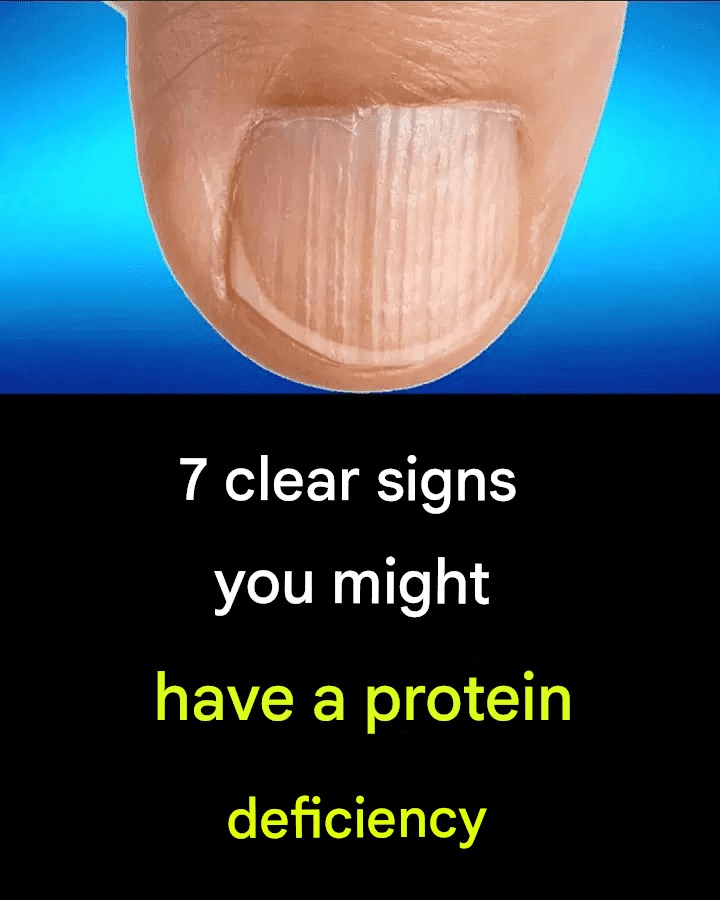
4. Brittle nails or dry skin
Protein supports tissue repair—deficiency may show up as fragile nails or dull, dry skin.
5. Slow recovery from injuries
Cuts, workouts, or illness may take longer to heal because protein is essential for repair.
6. Frequent infections
Your immune system relies on proteins (like antibodies), so low intake can weaken defenses.
7. Fatigue and low energy
Not enough protein can contribute to overall tiredness and reduced stamina.
How much protein do you actually need?
A general guideline:
- About 0.8 grams per kg of body weight (minimum for adults)
- More if you’re active, older, or trying to build muscle
Good protein sources
- Eggs, dairy, chicken, fish
- Lentils, beans, chickpeas
- Nuts and seeds
Bottom line
These signs don’t automatically mean you’re deficient—but if several apply, it’s worth looking at your diet. True deficiency is uncommon, but suboptimal intake is pretty common.
If you want, tell me what you eat in a typical day—I can estimate whether you’re getting enough protein.