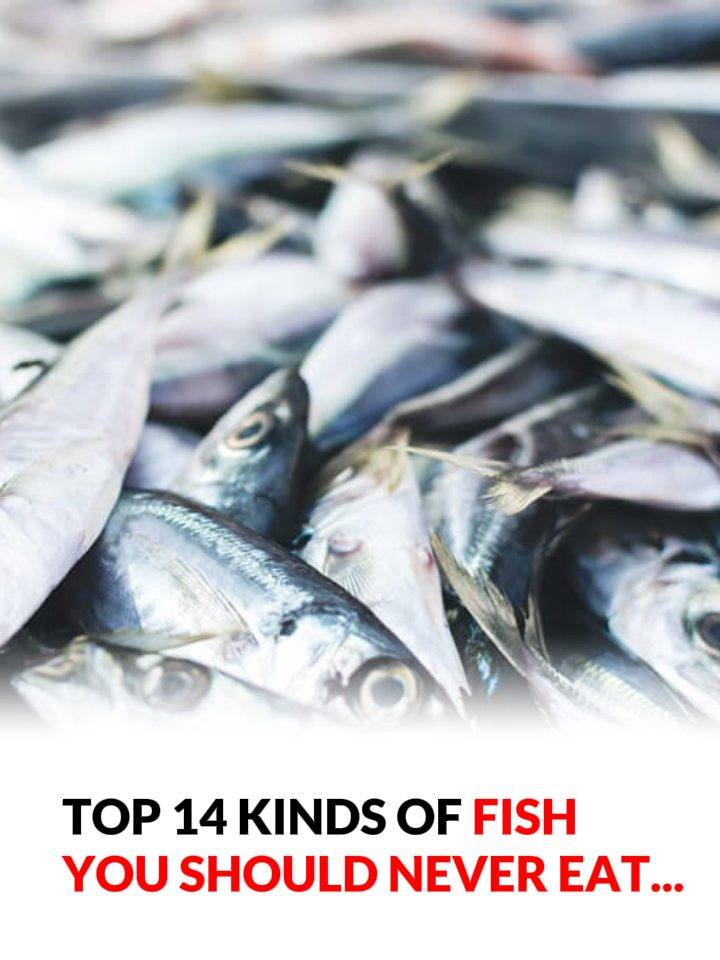
That headline is designed to scare you, not inform you. “Stop eating this fish immediately” is almost always clickbait unless it’s referring to a very specific contamination event (which would be clearly named and time-bound).
There is no single fish that doctors or scientists broadly say you must never eat. What does exist is risk-based guidance depending on species, source, and how often you eat it.
The real science behind “fish warnings”
Some fish can contain higher levels of contaminants like:
- Mercury (methylmercury)
- PCBs (industrial pollutants)
- Microplastics (emerging concern, still being studied)
But risk depends heavily on the type of fish.
Fish you should limit (not necessarily “stop completely”)
High mercury fish (eat rarely)
- Shark
- Swordfish
- King mackerel
- Tilefish
- Bigeye tuna
These are larger predatory fish that accumulate more mercury over time.
Safer, commonly recommended fish
Generally lower in mercury and safe to eat regularly:
- Salmon
- Sardines
- Trout
- Herring
- Cod
- Anchovies
These are often recommended in heart-healthy diets by global health organizations.
Who needs to be more careful
- Pregnant people
- Young children
- People eating fish very frequently (daily)
Why these “warning videos” go viral
They often:
- Don’t name the fish clearly
- Ignore dosage (“how much matters more than what”)
- Turn general dietary advice into fear-based messaging
Bottom line
There is no universally “dangerous fish you must stop eating immediately.”
There are only certain fish to limit and safer choices to prioritize.
If you want, I can tell you:
- The safest fish available in your local market
- Or a weekly fish-eating plan for health without mercury risk